Online Clothes Marketplace on Smartphone
The way we acquire clothing has shifted dramatically from weekend mall trips to scrolling through digital racks in the palm of our hands. An Online Clothes Marketplace on Smartphone is no longer just a convenience; it is a primary channel for retail, connecting global supply chains with individual wardrobes instantly. This concept represents more than a simple app icon; it is a sophisticated ecosystem where user interfaces display everything from casual t-shirts and sweatshirts to formal boots and tailored jeans, all optimized for touch interaction. Whether you are browsing for a new pair of underwear or hunting for limited-edition sneakers, the smartphone has become the definitive storefront.
Understanding the Digital Retail Experience
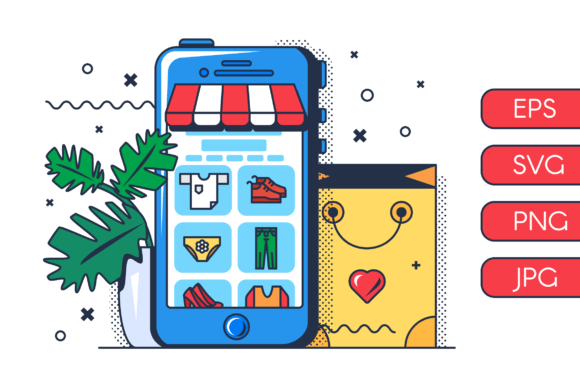
At its core, an online clothes marketplace on a mobile device functions as a curated virtual department store. Unlike traditional websites that require mouse navigation and large screens, these platforms utilize modern flat design principles to present products clearly on smaller displays. Imagine a vector-style interface where a green plant in a pot sits beside a shop bag, symbolizing the blend of lifestyle and commerce. The technology behind this experience prioritizes speed and visual clarity, allowing users to search, filter, and purchase items like pants, shoes, and outerwear with minimal friction.
This digital environment relies heavily on intuitive design elements. A well-crafted user interface might feature a banner highlighting a "Black Friday" sale or a "Cyber Monday" discount, using bold colors and clear typography to grab attention. For the consumer, the experience is seamless: a tap opens a product page, another tap selects a size, and a final gesture completes the transaction. Behind the scenes, complex algorithms manage inventory, track shipping packages, and ensure that the digital representation of a sweatshirt matches the physical item delivered to your door.
Why Different Audiences Care About Mobile Fashion Commerce
The relevance of a smartphone-based clothing marketplace varies significantly depending on who is engaging with it. For the average consumer, the priority is often ease of use and speed. They want to find a specific item quickly without navigating clunky menus. However, for other groups, the value proposition shifts toward creativity, business growth, or educational insights.
- Consumers and Hobbyists: These users prioritize discovery and variety. They appreciate the ability to browse thousands of styles, from vintage denim to modern athletic wear, without leaving their homes. The visual appeal of the interface—perhaps featuring clean illustrations of shop packaging or trendy outfits—enhances their shopping enjoyment.
- Small Business Owners and Entrepreneurs: For those launching a brand, the smartphone marketplace is a launchpad. They care about commercial value and flexibility. Can they easily upload photos of their new boot collection? Is the checkout process reliable enough to handle high traffic during a sale event?
- Marketers and Designers: This group focuses on presentation and creativity. They evaluate how effectively the platform showcases promotional banners, such as a flyer for a summer sale or a sticker design for a discount offer. The aesthetic quality of the vector illustrations and the responsiveness of the layout are critical metrics for them.
Priorities Across User Groups
When evaluating an online clothes marketplace on smartphone, different stakeholders weigh various factors differently. Understanding these priorities helps clarify whether a specific platform aligns with your goals.
For Beginners and Casual Shoppers
If you are new to online shopping or simply looking for everyday essentials, your main concern is reliability. You need to trust that the size chart for a pair of jeans is accurate and that the payment system is secure. A good marketplace simplifies this by offering clear filters for categories like "Underwear," "Shoes," or "T-Shirts." The interface should feel familiar, perhaps resembling a digital version of a physical rack, making the transition from browsing to buying effortless. For beginners, the learning curve should be non-existent; the app should guide them naturally through the purchase journey.
For Professionals and Creators
Professionals, such as fashion bloggers or content creators, view the marketplace as a source of material and inspiration. They need high-resolution images and detailed product descriptions to create content. They also value the ability to share links directly to social media platforms. For them, the "Web Life illustration" aspect of the site matters—the visual storytelling that makes a product desirable. They look for platforms that support high-quality imagery, ensuring that the texture of a sweatshirt or the shine of leather boots is visible even on a small screen.
For Educators and Students
In an academic setting, the online clothes marketplace serves as a case study for e-commerce trends. Educators might use it to teach concepts like digital marketing, supply chain logistics, or user experience (UX) design. Students can analyze how a "Sale Supermarket Banner" drives engagement or how the placement of a "shop package" icon influences perceived value. The technical architecture of these platforms offers rich opportunities for learning about web shop technology and internet e-commerce business models.
For Entrepreneurs and Small Business Owners
Business owners approach the marketplace with a focus on scalability and cost-efficiency. They need a platform that allows them to manage inventory across multiple devices, track sales data in real-time, and reach a global audience. The ability to customize their storefront with unique branding elements, such as custom vector clipart or specific color schemes, is vital for standing out in a crowded market. They also prioritize the backend tools that facilitate order fulfillment, ensuring that every "online total sale" translates into a successful delivery.
Practical Applications and Real-World Scenarios
To understand the versatility of this concept, consider how different scenarios play out in practice. A freelance graphic designer might use the marketplace's template features to create a "Discount offer design element" for a client's upcoming promotion. They could leverage the flat cartoon vector style to produce a flyer that works equally well on a mobile screen and in print. Meanwhile, a retail manager might use the analytics dashboard to determine which category—boots or sandals—is trending, adjusting their stock accordingly before the next season.
For a hobbyist interested in sustainable fashion, the marketplace becomes a tool for ethical consumption. They might filter specifically for brands that highlight eco-friendly materials, using the search function to find organic cotton t-shirts or recycled polyester jackets. The transparency provided by the platform allows them to make informed decisions that align with their personal values.
Evaluating Fit for Your Needs
Determining if an online clothes marketplace on smartphone is right for you depends on your specific objectives. If you seek immediate access to a vast array of products with minimal effort, this model is ideal. It excels in providing convenience and variety, catering to the fast-paced nature of modern life. However, if your goal involves deep customization of the shopping experience or control over the entire supply chain, you may need to explore dedicated e-commerce solutions rather than relying solely on a third-party marketplace.
Ultimately, the success of any interaction with this digital space hinges on the balance between functionality and aesthetics. Whether you are a student analyzing market trends, a designer crafting the perfect banner, or a shopper looking for the perfect pair of jeans, the smartphone marketplace offers a dynamic environment where technology meets fashion. By understanding the diverse needs of its users, these platforms continue to evolve, ensuring that the future of retail remains accessible, engaging, and efficient for everyone.